Do we have enough acronyms… and are they the right ones?
Energy loves its acronyms, but it’s not always clear they’re helping. From HEMS to DERMS, this article explores how language meant to simplify can sometimes add to the confusion.
I moved to the U.S. and became obsessed with water towers. It turns out these quirky town icons quietly shift up to 30 GWh of load every day. No lithium. No algorithms. Just gravity doing the work.
DER is scaling fast, and the risks are catching up. Software needs smarter optimisation and risk managers need to step up, or we will repeat the same mistakes finance made when models grew faster than governance.
Did you know the first battery could be over 2,000 years old? Hidden in the sands near Baghdad, this ancient clay jar may have carried the world’s first spark of electricity.
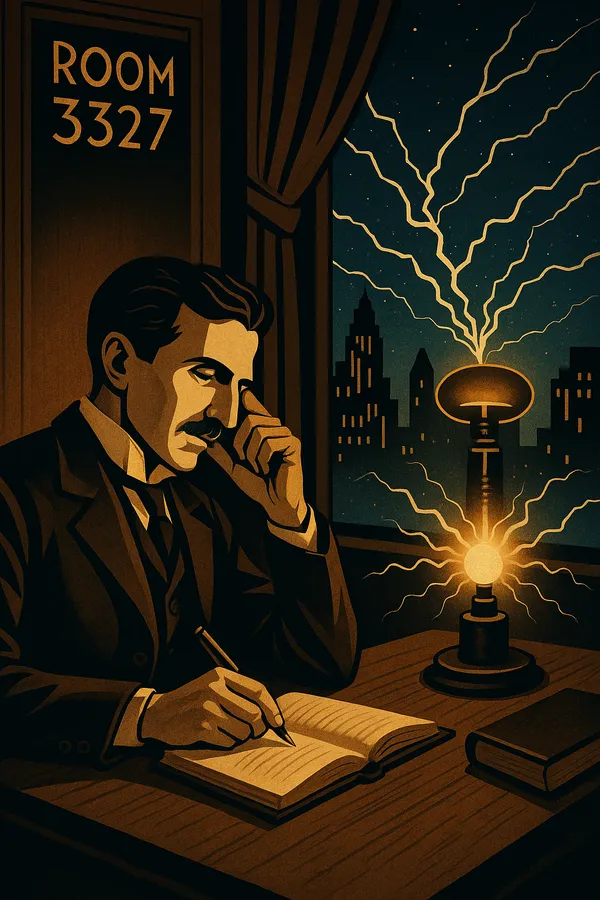
Nikola Tesla never let go of the question: if music rides the air, why not power? The story traces his early experiments at Colorado Springs and Wardenclyffe and shows how that vision echoes today in wireless charging, inductive transfer, and cautious power-beam trials
Energy loves its acronyms, but it’s not always clear they’re helping. From HEMS to DERMS, this article explores how language meant to simplify can sometimes add to the confusion.
AI can write, plan, and predict but can it run the grid? This piece explores where it’s already adding value, where it still fails, and why the future of a “self-healing” grid will depend as much on people and infrastructure as on algorithms.
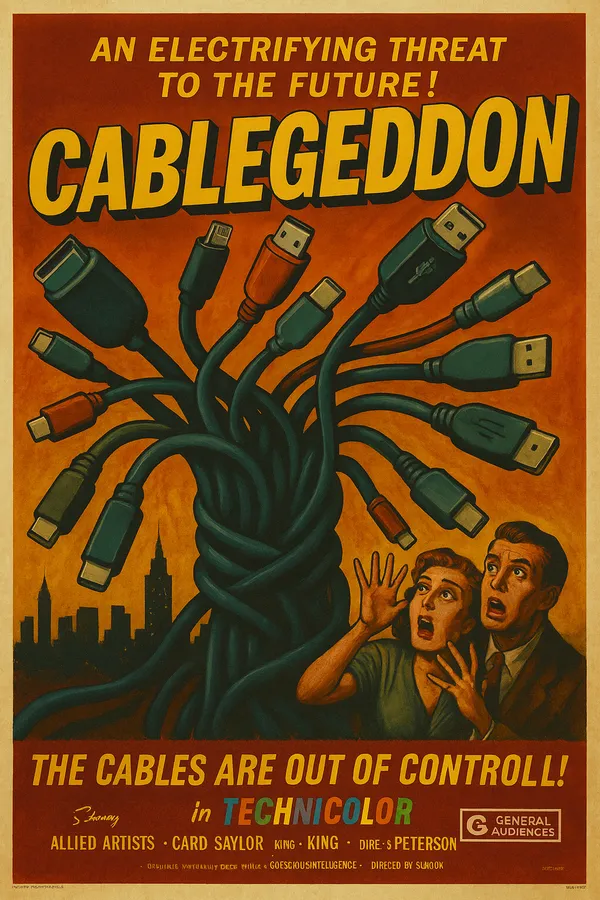
A drawer once full of tangled cables gave way to a single universal connector. The piece looks at how USB-C reduced friction, sped up charging, and what its success teaches about the value of standards, from consumer tech to home energy.
I moved to the U.S. and became obsessed with water towers. It turns out these quirky town icons quietly shift up to 30 GWh of load every day. No lithium. No algorithms. Just gravity doing the work.
DER is scaling fast, and the risks are catching up. Software needs smarter optimisation and risk managers need to step up, or we will repeat the same mistakes finance made when models grew faster than governance.
Energy loves its acronyms, but it’s not always clear they’re helping. From HEMS to DERMS, this article explores how language meant to simplify can sometimes add to the confusion.
I moved to the U.S. and became obsessed with water towers. It turns out these quirky town icons quietly shift up to 30 GWh of load every day. No lithium. No algorithms. Just gravity doing the work.
DER is scaling fast, and the risks are catching up. Software needs smarter optimisation and risk managers need to step up, or we will repeat the same mistakes finance made when models grew faster than governance.
Did you know the first battery could be over 2,000 years old? Hidden in the sands near Baghdad, this ancient clay jar may have carried the world’s first spark of electricity.
AI can write, plan, and predict but can it run the grid? This piece explores where it’s already adding value, where it still fails, and why the future of a “self-healing” grid will depend as much on people and infrastructure as on algorithms.
Nikola Tesla never let go of the question: if music rides the air, why not power? The story traces his early experiments at Colorado Springs and Wardenclyffe and shows how that vision echoes today in wireless charging, inductive transfer, and cautious power-beam trials